July 23, 2026
Uneven or sunken driveways can create serious problems for homeowners and property managers. Depressions may collect water, cracks can continue spreading, and damaged surfaces can become increasingly difficult to drive across. These problems often develop because of drainage issues, shifting soil, heavy traffic, weather exposure, or the natural aging of the pavement. Simply covering a damaged driveway may not always address the conditions beneath the surface. A more thorough restoration approach can help remove deteriorated material while preparing the area for a smoother and more durable finish. Understanding how professional pavement restoration works allows property owners to make more informed decisions about their driveways. With the right preparation and ongoing maintenance, a damaged surface can be restored to improve both function and appearance.
Identify the Causes of Uneven Pavement
Uneven pavement can develop for many reasons, and identifying the cause is an important first step in determining the right solution. Water that remains beneath the driveway can weaken the supporting layers and cause sections of the pavement to settle. Soil movement, tree roots, repeated vehicle traffic, and seasonal temperature changes can also contribute to depressions and surface irregularities. In some cases, cracks may allow moisture to penetrate beneath the pavement, gradually weakening the area. Understanding why the driveway has become uneven helps contractors determine whether the problem is limited to the surface or extends deeper into the pavement structure. This evaluation prevents property owners from investing in a repair that only temporarily covers the visible damage. A proper assessment creates a clearer path toward lasting improvement. Addressing the underlying cause is essential for improving the performance of the finished driveway.
Remove Deteriorated Surface Material
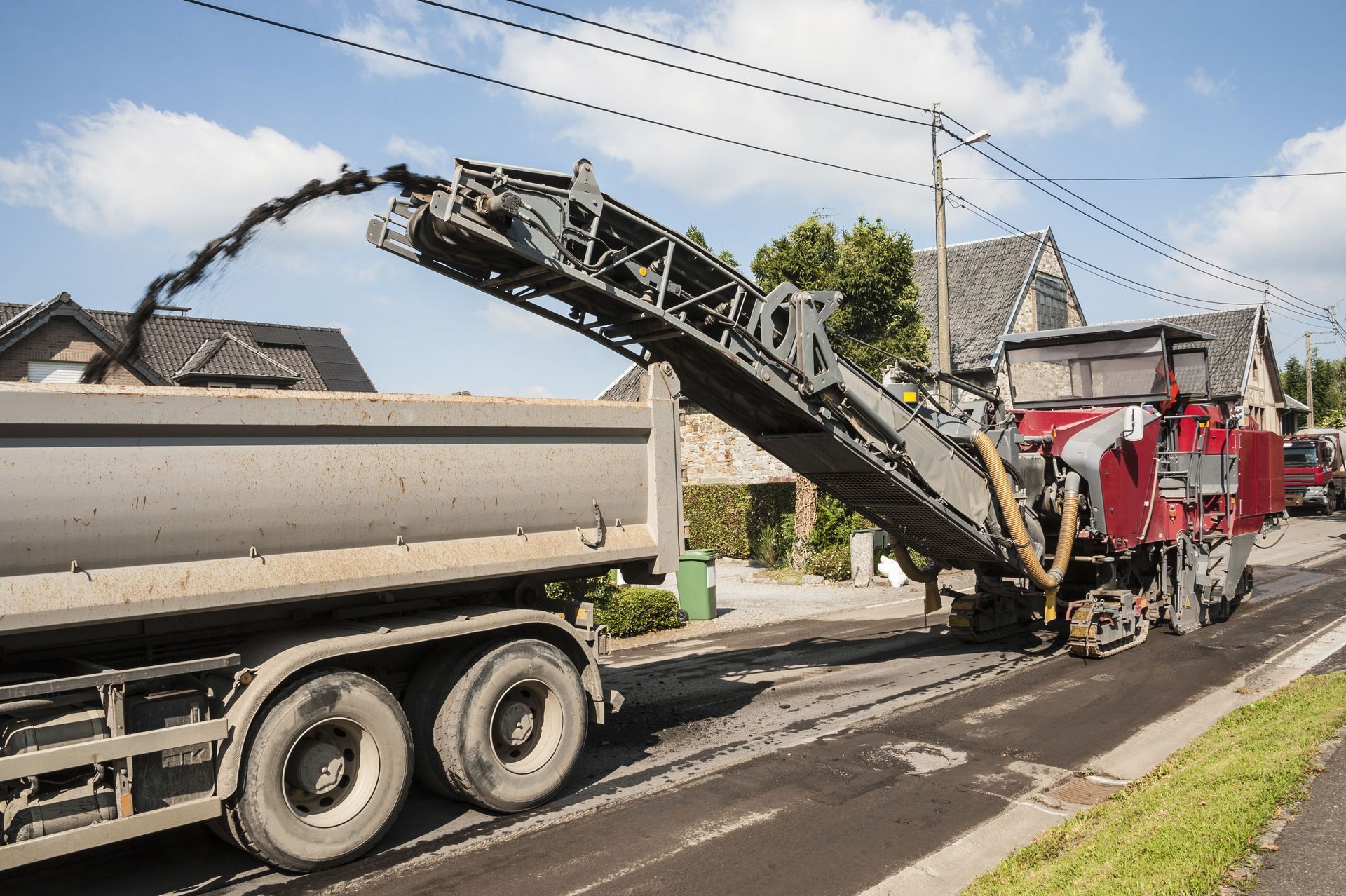
One of the main advantages of asphalt milling is the ability to remove damaged or deteriorated pavement from the surface. Instead of placing new material directly over existing problems, specialized equipment can grind away the worn layer. This process helps eliminate surface defects that could otherwise affect the appearance and performance of future paving work. Removing compromised material also creates a cleaner foundation for resurfacing or other restoration methods. The process can be especially useful when a driveway has widespread cracking, uneven sections, or areas that have deteriorated beyond simple patching. By removing the damaged layer, contractors can better prepare the surface for the next stage of the project. Proper preparation helps prevent old surface problems from immediately affecting new pavement. This creates a stronger starting point for continued driveway improvements.
Correct Uneven and Sunken Areas
Sunken sections can affect both the appearance and functionality of a driveway. Depressions may collect rainwater, create uncomfortable driving conditions, and contribute to further deterioration as moisture repeatedly remains on the surface. Asphalt milling can help remove uneven sections and prepare the area for corrections that improve the overall grade. Once the damaged material has been removed, the surface can be evaluated for appropriate restoration work. Correcting these irregularities helps create a smoother transition across the driveway. A more consistent surface also improves vehicle access and reduces areas where water may collect. Addressing sunken sections before they become more extensive can help prevent additional damage. Properly correcting uneven areas contributes to a more functional and attractive driveway.
Improve Drainage Across the Driveway
Drainage is one of the most important factors affecting the long-term condition of asphalt pavement. Water that sits on the surface can gradually penetrate cracks and contribute to deterioration beneath the driveway. Sunken areas often make this problem worse because they create low points where water can collect after rainfall. Asphalt milling may help prepare the surface for grading adjustments that encourage better water movement. Improving the slope and overall surface condition can reduce the amount of moisture that remains in vulnerable areas. Better drainage also helps limit damage associated with repeated water exposure and seasonal weather changes. Property owners should consider drainage as part of any major pavement restoration project. Managing water effectively supports a stronger and longer-lasting driveway.
Create a Better Foundation for Resurfacing
New asphalt performs best when it is placed over a properly prepared surface. Applying new material over severely damaged pavement may allow existing cracks, depressions, and weak areas to affect the new surface over time. Asphalt milling removes compromised material and can create a more suitable foundation for resurfacing when the underlying structure remains stable. This approach allows contractors to address surface deterioration before placing new pavement. Proper preparation helps improve the bond between existing and new materials. It can also reduce the likelihood that old surface defects will quickly reappear. According to Today's Homeowner, regular sealcoating every two to four years, combined with prompt crack repairs, helps protect and preserve the value of an asphalt driveway. These maintenance practices are especially important after restoration work has been completed.
Improve the Appearance of Older Driveways
A driveway with extensive cracks, potholes, and sunken areas can affect the overall appearance of a property. Worn pavement may make an otherwise well-maintained home or business look neglected. Asphalt milling helps remove deteriorated surface material so the driveway can be prepared for a smoother finish. Correcting surface irregularities can create a more consistent appearance across the entire paved area. A restored driveway can also improve curb appeal and create a cleaner transition between the pavement and surrounding property. For homeowners considering future property improvements, a well-maintained driveway can contribute to a more polished exterior. Improving the surface provides both practical and visual benefits. A smoother driveway can make a noticeable difference in the overall appearance of the property.
Reduce Repeated Patching and Repairs
Repeated patching can become frustrating when the same pavement problems continue returning. While small repairs can be appropriate for isolated damage, extensive deterioration may require a more comprehensive solution. Asphalt milling allows contractors to remove damaged areas rather than simply placing additional material over them. This can help reduce the cycle of patching the same cracks, depressions, and deteriorated sections repeatedly. Addressing widespread surface problems at once may provide a more effective foundation for future paving work. Property owners can also benefit from evaluating whether recurring repairs indicate a larger issue with the pavement. A strategic restoration plan can help reduce unnecessary maintenance expenses over time. Choosing the right approach helps ensure repairs address the condition of the driveway more effectively.
Extend the Useful Life of the Pavement
Proper maintenance and timely restoration can help extend the useful life of an asphalt driveway. Addressing damage before it spreads allows property owners to take action while more restoration options may still be available. Asphalt milling can be part of a larger pavement improvement strategy when the existing surface has become significantly worn or uneven. Removing deteriorated material can help prepare the driveway for resurfacing and other improvements. Once restoration is complete, ongoing maintenance remains important for protecting the new surface. Regular inspections can identify cracks, drainage concerns, and other problems before they become more extensive. Sealcoating and timely repairs can further support the long-term condition of the pavement. Consistent care helps property owners get more value from their driveway investment.
Uneven and sunken driveways can become increasingly difficult to maintain when surface problems are ignored. Asphalt milling provides a practical way to remove deteriorated pavement, improve surface preparation, correct uneven areas, and support future resurfacing work. When combined with proper drainage and ongoing maintenance, this approach can improve both the appearance and performance of a driveway. Property owners should also remember that restoration is only one part of long-term pavement care. Regular inspections, prompt crack repairs, and protective maintenance can help preserve the surface after the project is complete. By evaluating the condition of the driveway and choosing an appropriate restoration method, property owners can make informed decisions that support lasting value. A properly planned improvement can help create a smoother, more functional, and more attractive paved surface.
If your driveway has become uneven, sunken, cracked, or difficult to maintain, Dan Amorello Services, Inc can help evaluate the condition of your pavement and determine an appropriate restoration solution. Our team provides professional paving services designed to improve the appearance, function, and long-term performance of residential and commercial surfaces. Contact us today to discuss your project and learn how asphalt milling can help prepare your driveway for lasting improvements.