June 24, 2026
Asphalt milling, an essential technique in modern roadway maintenance, has evolved significantly over the years. Tracing back to its historical roots, it plays a crucial role in maintaining and improving infrastructure. Understanding asphalt milling helps reveal its importance in creating sustainable, efficient, and durable roadways.
With urbanization and increased vehicle usage, the demand for resilient and cost-effective road maintenance solutions has surged. Asphalt milling addresses this need by allowing for quick and efficient surface removal and preparation. The introduction provides insight into its history, benefits, and why it stands as a preferred method in roadway maintenance today.
Basic
Define And Outline Process
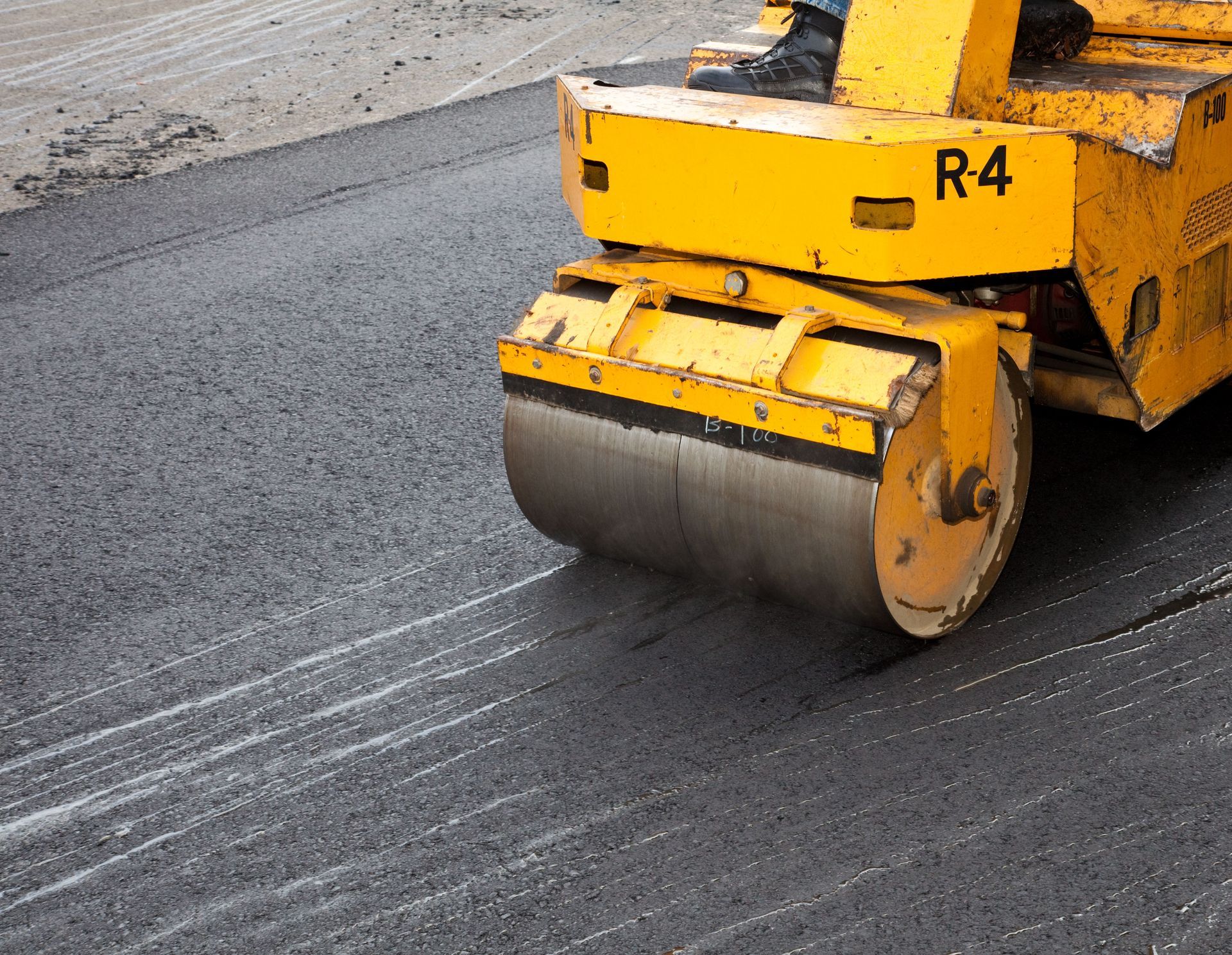
Asphalt milling is a process of removing part of the surface layer of a paved area such as a road, driveway, or parking lot. This process involves specialized equipment that strips and grinds away the top layer, allowing for surface preparation. The removed layer, predominantly composed of asphalt, is recovered and often reused, enhancing its cost-effectiveness and environmental benefits.
Milling can vary in depth from a slight surface grinding to more extensive removal depending on the condition of the pavement. The pulverized asphalt, referred to as reclaimed asphalt pavement (RAP), is then collected and can be incorporated into new asphalt mixture production. According to the National Asphalt Pavement Association, in a 2025 reporting cycle, approximately 94.6 million tons of RAP were recycled into new asphalt mixtures in a recent annual reporting cycle.
Present Milling Machines
Numerous types of milling machines are designed to meet various roadway maintenance needs depending on project requirements. Cold planers are the most prevalent, capable of removing asphalt layers efficiently with precision control over depth and speed. Smaller machines are used for limited-access or detailed surface work.
Integrate Key Components In Milling Operations
Milling operations involve several critical components working together to create an efficient process. The primary component is the cutting drum, housing carbide cutters responsible for breaking up the asphalt layer. This rotating drum is central to achieving controlled surface removal.
Conveyors transport milled material away from the surface for collection and reuse. Additional equipment, such as loaders and trucks, supports the removal and transport of reclaimed asphalt, ensuring efficient workflow throughout the operation.
Compare With Traditional Road Repair Methods
Traditional road repair methods often involve extensive surface removal and replacement processes. These approaches can be time-consuming, costly, and generate higher material demand compared to partial milling techniques.
By focusing on surface layers, milling allows for targeted repair without full reconstruction of paved areas. This reduces disruption and limits material waste compared to conventional methods.
Technical
Consider Milling Depth And Width
The depth and width of milling operations are critical factors in determining project outcomes. Milling depth varies depending on pavement condition and project requirements, ranging from shallow surface removal to deeper material extraction.
Apply Precision Techniques
Precision in asphalt milling is essential for achieving consistent surface results. Modern equipment uses laser guidance and computerized controls to maintain accurate depth and alignment throughout the process.
Utilize Role Of Technology In Milling
Technology plays a significant role in improving asphalt milling efficiency. Integrated systems within equipment help manage depth control, speed, and alignment for consistent performance.
GPS and automated systems provide enhanced operational accuracy and allow for better project coordination. These advancements improve overall workflow efficiency and material management.
Preserve Impact On Structural Integrity
Milling supports pavement performance by removing damaged surface layers while preserving underlying structural components. This allows for effective surface renewal without disturbing foundational layers.
Maintain Milling Equipment
Regular maintenance of milling equipment is essential for consistent performance and operational efficiency. Routine inspection of cutting drums, conveyors, and drive systems helps prevent breakdowns and delays.
Environmental
Reduce Waste Through Recycling
Asphalt milling supports environmental efficiency by producing reclaimed asphalt pavement (RAP), which can be reused in new applications or processed into base materials. This reduces reliance on virgin resources.
The use of reclaimed materials helps reduce landfill waste and supports more efficient use of existing pavement resources. Recycling practices continue to expand within the industry.
Lower Carbon Footprint
By reducing the need for new material production and transportation, asphalt milling helps lower emissions associated with roadway maintenance activities.
Reusing existing asphalt materials decreases demand for raw material extraction and processing, reducing overall environmental impact.
Contribute To Sustainable Infrastructure
Asphalt milling supports sustainable infrastructure practices by extending the usability of existing materials and reducing the need for new resource extraction.
The integration of reclaimed asphalt into maintenance cycles supports long-term material efficiency and resource conservation.
Minimize Natural Resource Depletion
The use of reclaimed asphalt reduces the demand for virgin aggregates and helps preserve natural material sources.
This practice supports long-term resource conservation while also improving cost efficiency in maintenance operations.
Support Sustainable Road Maintenance Practices
Asphalt milling supports sustainable maintenance strategies by enabling the use of reclaimed asphalt pavement in new applications and base materials. This reduces waste and improves material efficiency.
Milled materials can also be processed into base layers for parking lots, roadways, and industrial surfaces.
When combined with sweeping operations, milling contributes to cleaner paved environments by reducing surface debris and improving overall site conditions.
Economic
Improve Cost-Effectiveness In Roadway Maintenance
Asphalt milling provides a cost-efficient method for maintaining paved surfaces by reducing material and labor requirements compared to full reconstruction approaches.
The use of reclaimed materials helps lower overall project costs and improves resource efficiency. Targeted surface removal also reduces unnecessary labor and material usage, improving budget management for maintenance projects.
Create Jobs And Develop Skills
Milling operations support employment opportunities across equipment operation, maintenance, logistics, and material processing roles.
As equipment becomes more advanced, training programs help workers develop specialized technical skills. This contributes to workforce development within the pavement maintenance sector.
Influence Local And National Economies
Well-maintained paved infrastructure supports transportation efficiency, which benefits both local commerce and broader economic activity.
Improved pavement conditions help support business access and movement of goods across regions. Responsible maintenance practices contribute to more efficient transportation networks.
Deliver Long-Term Financial Benefits
Asphalt milling reduces lifecycle maintenance costs by extending the usability of existing paved surfaces. The use of reclaimed materials helps reduce long-term material procurement expenses. This contributes to more efficient allocation of maintenance budgets over time.
Support Investment And Funding Opportunities
Demand for efficient and resource-conscious infrastructure maintenance continues to support investment in milling operations and related technologies. Public and private funding initiatives often support projects that improve transportation infrastructure efficiency. This creates opportunities for continued growth and development in pavement maintenance practices.
Operational
Manage Technical Challenges In Operations
Milling operations must account for variations in pavement conditions, which can affect consistency and efficiency. Equipment wear and depth control accuracy require ongoing attention to maintain performance standards. Proper training and maintenance help address operational challenges and improve outcomes.
Follow Environmental And Regulatory Requirements
Milling operations must comply with environmental regulations related to noise, dust, and material handling. Proper management practices help reduce environmental impact and maintain compliance with local requirements. Operational planning ensures that milling activities are conducted responsibly within regulatory frameworks.
In the context of modern infrastructure maintenance, these capabilities play an important role in supporting efficient roadway and paved surface management. With a focus on asphalt milling, sweeping, and recycled material solutions, Dan Amorello Services, Inc. helps meet a range of maintenance needs across commercial, municipal, and industrial environments. To learn more about these services and capabilities, reach out to the team for additional information.